How to Find the Keywords Your Dream Clients Are Actually Searching For
Here's the thing about keywords, it's not really about what you think your business does. It's about what your dream client types into Google at 10pm when they're desperately searching for someone like you.
Getting this right is the foundation of SEO. And the good news is, you don't need to be a marketing expert to figure it out. You just need to think like your customer.
Start With Your Customer, Not Your Business
Before you open any keyword tool, grab a notebook and write down the answers to these questions:
What problem does my dream client have before they find me?
What words would they use to describe that problem?
What are they hoping to find when they search online?
What questions do they ask me most often in enquiries?
This is your starting point. Real keyword research begins with real empathy for your customer, not with industry jargon or the language you use internally.
Use Google Itself as a Research Tool
Before spending any money on SEO software, Google itself gives you a wealth of information for free.
Google Autocomplete
Start typing a phrase into Google and look at the suggestions that appear. These are actual searches people are making. For example, if you're a photographer, try typing 'wedding photographer...' and see what Google suggests. You might find 'wedding photographer checklist', 'wedding photographer tips', or location-specific searches you hadn't considered.
‘People Also Ask’
Scroll down on a Google results page and you'll usually find a 'People Also Ask' section - a goldmine of related questions your audience has. These make brilliant blog post ideas and help you understand exactly what information people are looking for.
Related Searches
At the bottom of the Google results page, you'll find 'Related Searches' - more keyword variations worth exploring and potentially targeting.
Free Keyword Research Tools to Try
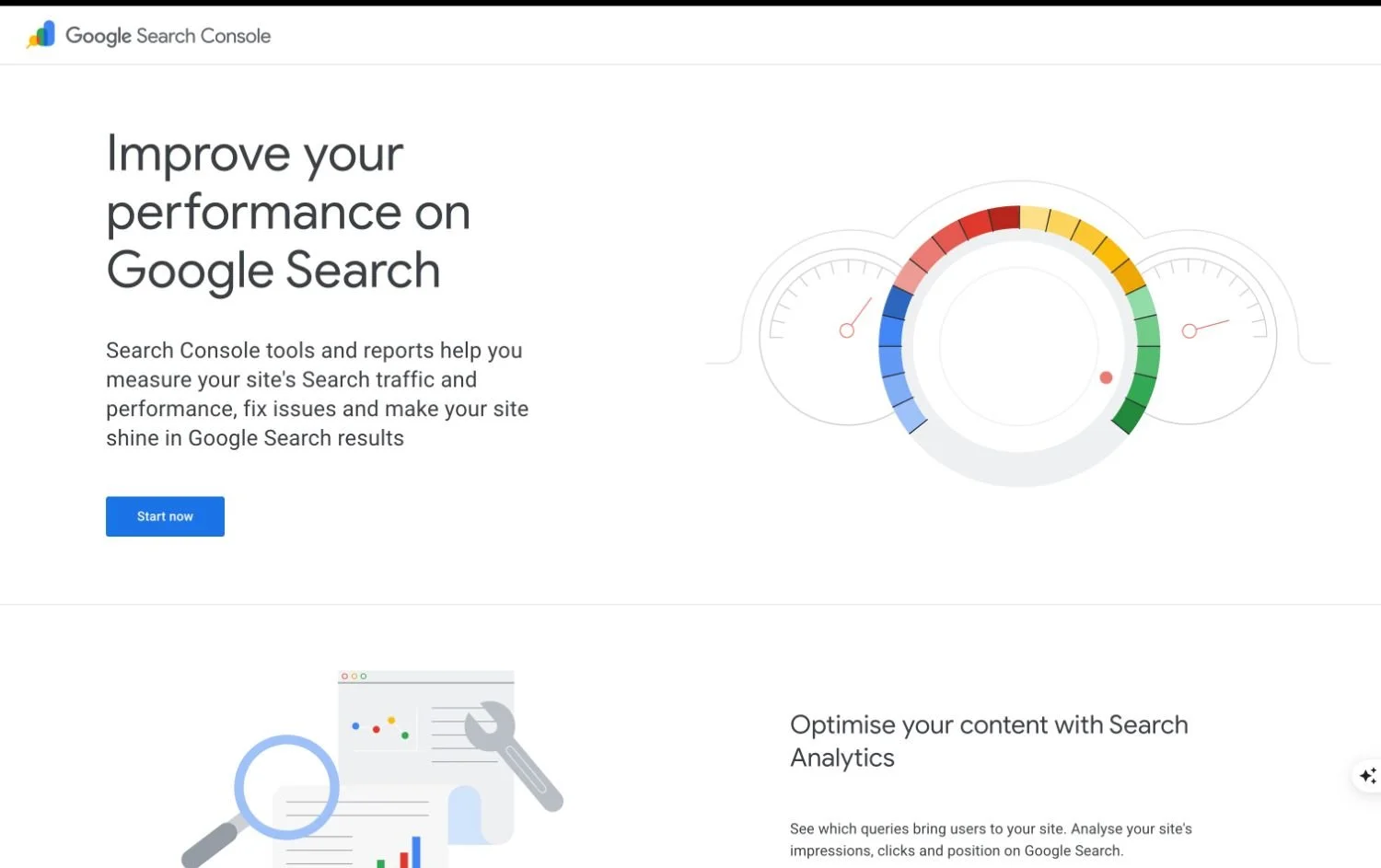
Google Search Console
If your website is already live, Google Search Console will show you the exact search terms people are already using to find you. This is incredibly powerful - you might discover people are finding you for things you hadn't even optimised for. Double down on what's already working.
AnswerThePublic
Pop your main keyword into AnswerThePublic and it generates a visual map of all the questions, prepositions, and comparisons people search around that topic. It's a brilliant tool for uncovering the specific language your audience uses.

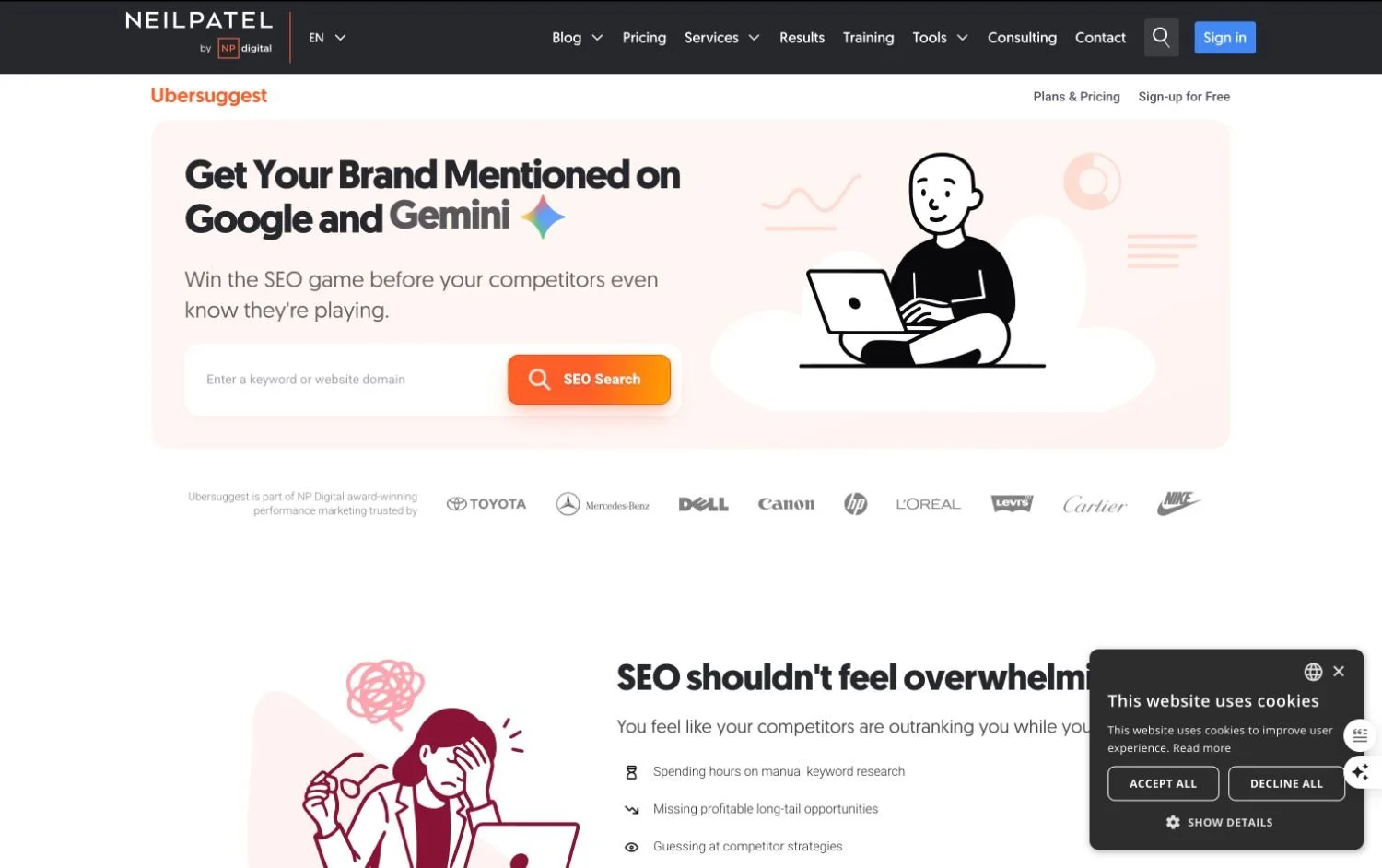
Ubersuggest
The free version of Ubersuggest gives you keyword ideas, search volume estimates, and a rough sense of how competitive a keyword is. Not perfect, but useful for getting started.
How to Evaluate a Keyword
Once you've got a list of potential keywords, you need to assess whether they're worth targeting. Here's what to look at:
Search volume: How many people search for this term each month? Higher isn't always better - sometimes a very specific, lower-volume keyword converts far better than a broad one.
Competition: How difficult is it to rank for this term? As a small or newer website, you'll find it much easier to rank for specific, niche phrases (known as 'long-tail keywords') than for short, competitive terms.
Intent: What is someone hoping to find when they search this? Are they looking to buy, to learn, or to compare? Match your content to their intent.
The Power of Long-Tail Keywords
Long-tail keywords are longer, more specific search phrases, and they're your best friend as a small business. Here's why:
They have less competition, making it easier to rank
They attract people who know what they want, meaning higher conversion rates
They often reflect exactly how real people speak and search
For example, 'photographer' is incredibly competitive. But 'brand photographer for small businesses in Bristol' is specific, targeted, and far more achievable. And anyone searching that phrase is already quite far down the path to booking.
Organise Your Keywords Into a Simple Plan
Once you've gathered your keywords, organise them into groups based on your pages and content. Each page or blog post should have one primary keyword it's trying to rank for, plus a handful of related terms used naturally throughout.
A simple spreadsheet works perfectly - list the page or post, the primary keyword, and a few supporting keywords. That's your SEO content plan.
One Final Thought
Good keyword research isn't a one-time task. Search habits change, your business evolves, and new opportunities appear all the time. Revisit your keyword strategy every few months and keep refining it.
The businesses that win at SEO aren't the ones who spend the most - they're the ones who consistently show up with content that answers the right questions.